
Kenjutsu
Structured sword training focused on mechanics, posture, distance, timing, control, and long-term technical growth.
Kenjutsu & Sports Chanbara
Weekend classes for adults, teens and kids. No martial arts experience needed to start.
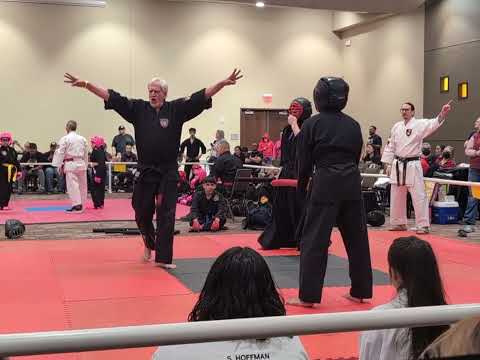 Watch real student footage
Competition, movement, pressure, and actual students on the
floor.
Watch real student footage
Competition, movement, pressure, and actual students on the
floor.
Training options
Saboten Kenjutsu keeps the public offering simple: structured sword training, live Chanbara application, and flexible support options when families or individual students need something more specific.
Structured sword training focused on mechanics, posture, distance, timing, control, and long-term technical growth.
Live movement and safe competitive contact using Sports Chanbara equipment. Chanbara helps students pressure-test timing, range, footwork, entries, and clean finishes.
Saturday morning classes for ages 5 to 12, using foam swords. Safe contact, no punching and no grappling. More about kids classes.
A family-focused training option built around movement, basic Sports Chanbara skills, and low-pressure shared practice. Ask about current pricing, availability, and scheduling.
Targeted one-on-one coaching for focused technical correction, tournament preparation, confidence rebuilding, or extra help with a specific training goal. Ask about current pricing and available times.
Training Culture
Saboten Kenjutsu is a structured, respectful training space. We coach with clear expectations, emotional self-regulation, accountability, partner safety, and steady technical feedback.
Students are expected to train seriously, control contact, listen to coaching, and treat training partners with dignity.
Saboten Kenjutsu welcomes LGBTQIA+ students and families. Respectful conduct is expected from everyone in the room.
Training includes learning how to reset after mistakes, manage frustration, make safer choices, and keep improving under pressure.
Weekend schedule
Saboten Kenjutsu currently offers weekend-only classes. The next four weeks are below.
Pricing
Start with the training track that fits your goals. Family Class and Private Instruction are available by arrangement.
Chanbara · Month to month
$175.00 / month
+ $100.00 sign-up
Chanbara · Month to month
$100.00 / month
+ $100.00 sign-up
Kenjutsu · 12 month commitment
$200.00 / month
No sign-up fee
Location
Saboten Kenjutsu trains at AKF Black Belt Academy, inside the 40 Palms plaza in Phoenix. Weekend classes only.
4041 E Thomas Rd, Suite B
Phoenix, AZ 85018
We are inside the 40 Palms plaza, in the AKF Black Belt Academy unit. Look for the AKF signage rather than ours — we share the floor.
Free parking in the plaza lot in front of the unit.
We share the floor with AKF Black Belt Academy, who run weekday Taekwondo and Hapkido. Visit AKF Black Belt Academy.
Saturdays and Sundays. Times are on the schedule.
Arrive about ten minutes early so we can say hello properly and get you set up before class starts.
Call 602-516-4907 or email office@sabotenkenjutsu.com.
FAQ
No. Trial students can start without prior martial arts or sword experience.
Kenjutsu focuses on structured sword mechanics and technical development. Chanbara focuses on live movement, safe contact, timing, and competitive application.
Wear comfortable athletic clothing you can move in. Specific equipment expectations can be confirmed during booking.
Reserve a trial, attend the scheduled class, and decide whether the program fits your goals. Trial students should check their confirmation email for class time and arrival details.
Saboten Kenjutsu trains at AKF Black Belt Academy, 4041 E Thomas Rd, Suite B, Phoenix, AZ 85018, inside the 40 Palms plaza. The location section has a map, parking and directions.